
Arrest Warrants in Collin County
An arrest warrant is a court order that lets an officer take someone into custody. In Collin County, that order might come from a district court, a county court, or a justice or municipal court handling a lower matter. For those lower courts, Texas Code of Criminal Procedure Article 45A.104 sets out what a sworn complaint or affidavit must contain: identifying details, the offense, and a judge's approval. Chapter 15 of the same code carries the broader Texas rules for arrest under warrant. The paperwork comes in pieces. The warrant, its supporting affidavit, the charging document, the docket, and any booking record are separate items, and a public search may show only some of them. The court, the case number, the offense, the process type, any bond, and a status line can appear without the underlying allegations. For those, you have to read the file itself at the clerk's desk.
Collin County Arrest Warrant Probable Cause
Probable cause is the legal footing a judge needs before signing an arrest order. It is not a verdict, and no one should treat it as one. The lower-court statute describes what the supporting papers may contain, yet a public portal in Collin County does not have to display the full affidavit. Some material stays sealed, restricted, juvenile, or protected by a law-enforcement exception. If you want a document rather than a status, name the exact record when you ask. Find out whether the clerk holds the affidavit or the executing agency keeps its own report. A missing document does not mean it was never created.
Statute: Texas Code of Criminal Procedure Article 45A.104 describes municipal and JP arrest-warrant requirements, including sworn probable-cause support.
What a Collin County Arrest Warrant Contains
What you see depends on the court and the screen. A redacted layout can show the fields a reader needs while private details stay hidden. In Collin County, read the court and cause number first. Then confirm the process type and current status with the clerk. A displayed bond or date can shift once a judge or magistrate acts.
| Cause / process number | Use the number on the court notice |
|---|---|
| Named subject | Name and identifiers the official court allows for matching. |
| Charge / offense | Offense and classification attached to the case. |
| Issuing judge / court | District, County Court at Law, JP, or municipal court listed in the file. |
| Bond / status | Confirm current conditions and whether process is active, served, or recalled. |
| Issue date | Date shown in the court record, if public. |
Collin County Arrest Warrant Process
Inside the Collin County Sheriff's Support Services Bureau sit two desks that matter here: Records and Warrants. That unit processes arrest warrants received from the courts, confirms them, maintains law-enforcement records, and answers public-information requests. The sheriff does not own the case. The issuing court keeps control of the judicial file, the bond order, and any recall, so that split should guide where you call. Need the docket? Contact the clerk for that court level. Need an arrest, jail, offense, or warrant-processing record? Use the sheriff's records route. The county agency page describes the Records and Warrants function in its own words.
Read about the Sheriff Support Services Bureau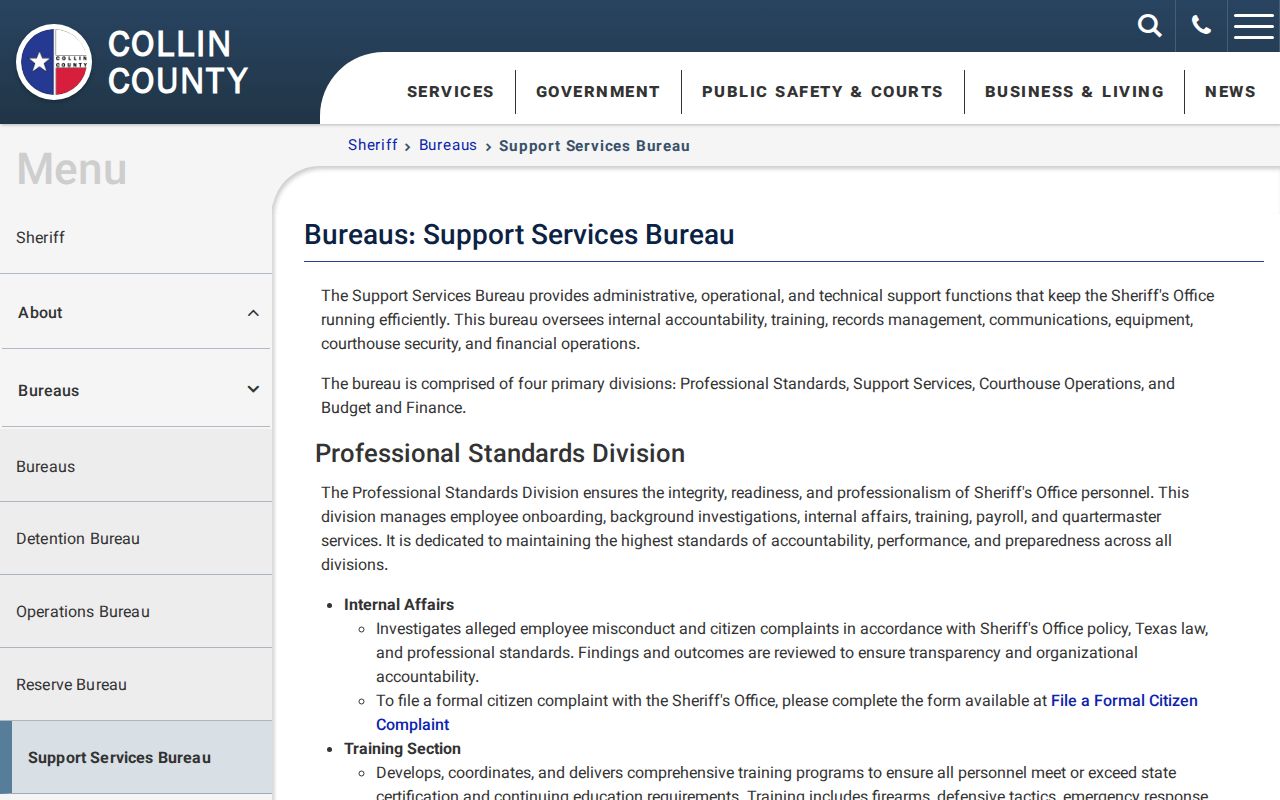
The Collin County sheriff can explain its own service role. The judge's clerk confirms the case status.
How Collin County Arrest Warrants Are Served
Who serves a warrant depends on the order and where it lands. The Collin County sheriff, the constables, city police, and other peace officers can all execute authorized process. Keep the records straight. An officer's return or a booking entry is separate from the judge's docket, and an arrest does not end the underlying charge. One example: Collin County's August 14, 2026 statement described deputies serving a felony warrant at a municipal police department's request. That shows agencies working together, not a fixed rule for every city arrest. For existing law-enforcement documents, the Sheriff's Open Records process is the route. The court answers judicial status.
Collin County Arrest Warrant Clerk Routes
Collin County fields 15 district courts with felony criminal jurisdiction, plus seven County Courts at Law handling Class A and B misdemeanors and related cases. Felony warrants, judgments, sentences, and bond-forfeiture records run through the District Clerk's page. County Court at Law matters go to the County Clerk's criminal clerks, who list separate contacts for each court. One wrinkle: the District Clerk notes that older criminal files before 1988 may need manual research. Its 2026 fee schedule lists a $5 record search plus separate charges for warrant or bond items. Those fees belong to that office and that transaction alone. Do not tack them onto sheriff or city charges as though Collin County had one combined total. The District Clerk page explains its felony record route in detail.
Review the Collin County District Clerk records page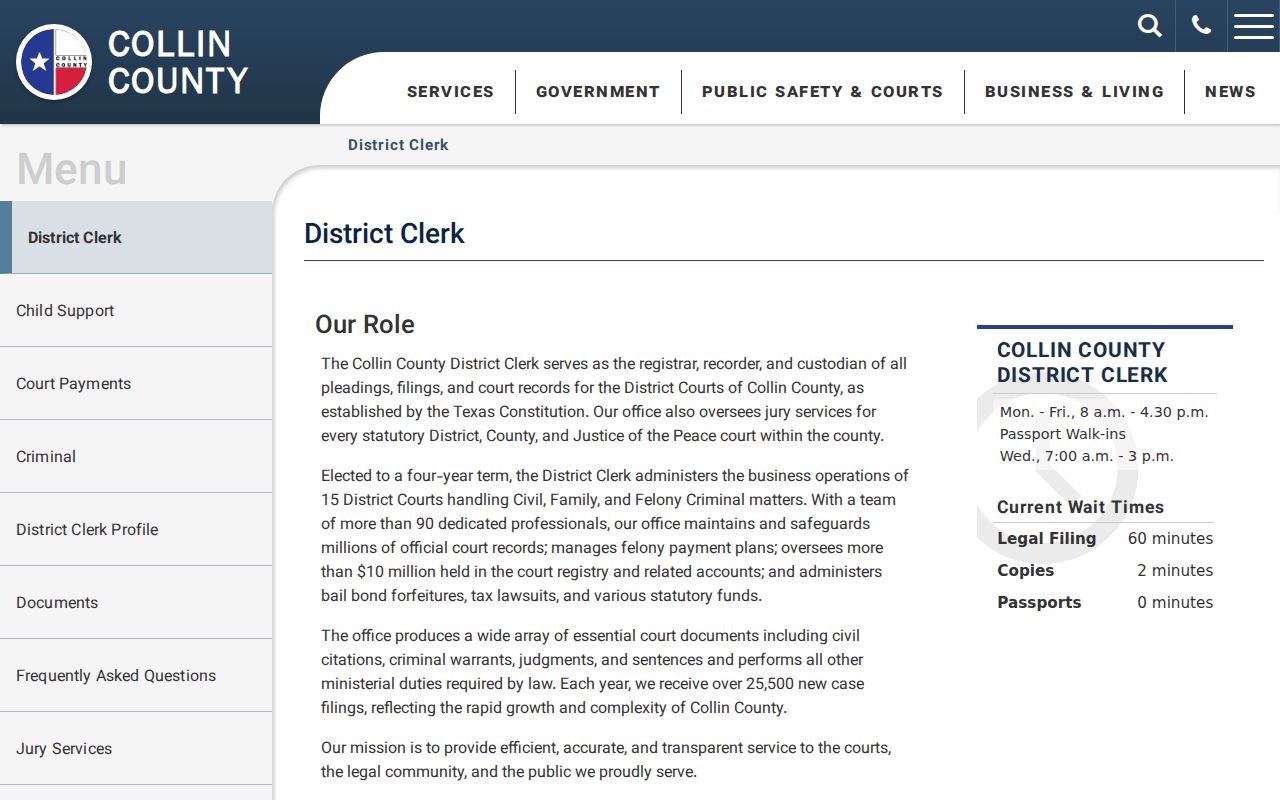
County misdemeanors use a different clerk map.
Open the County Clerk criminal contact page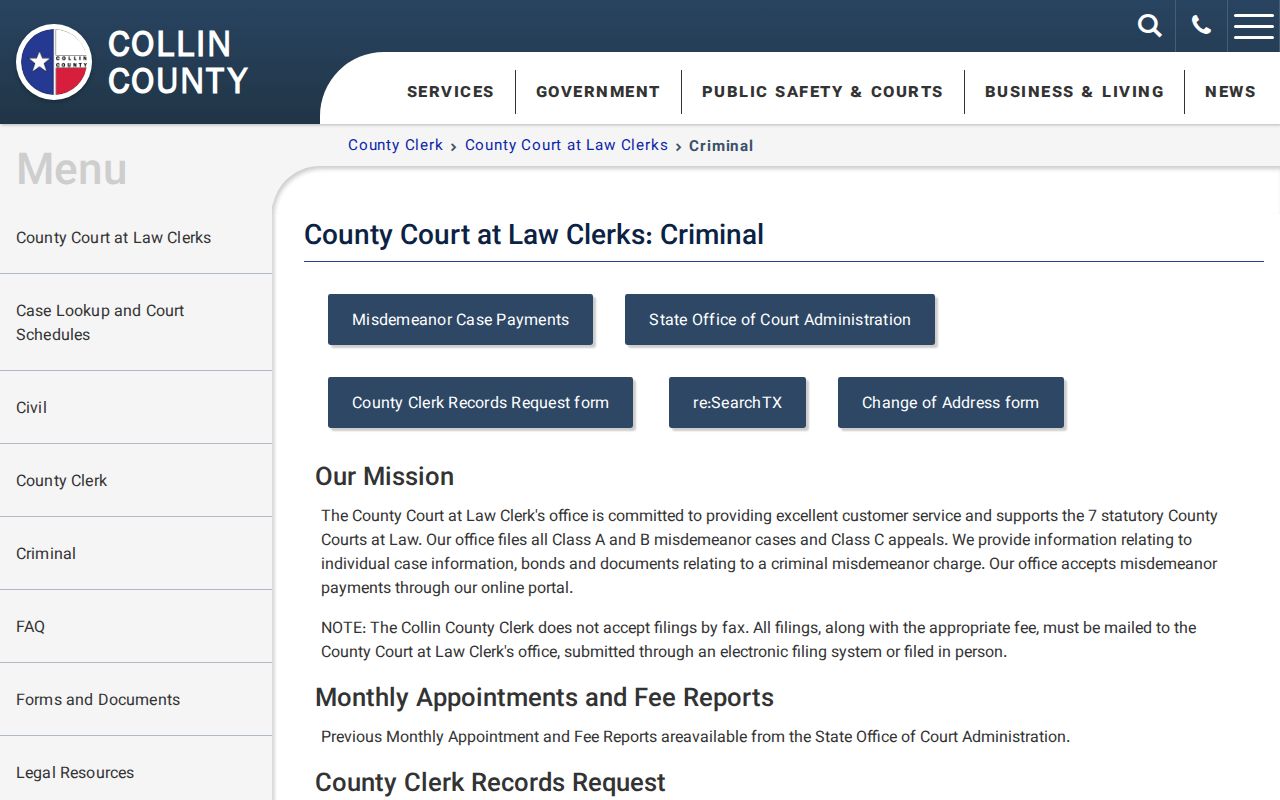
Check the court number before sending a request or fee.
Arrest Warrant vs Summons vs Bench Warrant
Three tools, three jobs. A summons tells a person to appear or respond on stated terms, and it is not an arrest order. A bench warrant typically follows a missed duty in an existing Collin County case. The file and the issuing judge decide which process is actually in effect, and each form points to different next steps.
| Feature | Arrest Warrant | Summons | Bench Warrant |
|---|---|---|---|
| What it orders | Arrest under its terms | A response or appearance | Action after missed court duty |
| Basis | Probable-cause process tied to a charge | Case filing and court process | Failure to appear or comply |
| Who issues it | Judge or magistrate | Court named on document | Judge in pending case |
| How to respond | Ask court about counsel, bond, and appearance | Meet the stated response date | Ask the issuing court about recall or a setting |
Collin County Arrest Warrant Service Returns
Three records answer three different questions. An issued warrant shows the court's order, an officer's service return shows execution, and an arrest or jail record shows custody. A public docket may list the process and a status while the agency report explains how it was carried out. Collin's four constable precincts serve many JP and criminal-process papers, and the sheriff and city police handle warrants within their own roles. There is no single published count of all arrest warrants by type. Start with the court number on the notice, then the clerk, and if needed the agency that received or served the order.
What to Do If There's a Warrant for You
First, nail down the basics of any Collin County warrant you are facing. Which court issued it, what type of process it is, and what bond applies. Ask whether the person is already in custody. A call to the clerk or your lawyer will show the accepted route, since a felony arrest warrant, a city capias, and a missed JP date are handled differently. Keep every notice, receipt, and cause number in one place. The Collin County Sheriff runs bond services at the Justice Center, 4300 Community Avenue in McKinney, 24/7, though the courts decide the required step. The jail cannot promise to clear every warrant. The Sheriff's inmate FAQ walks through the bond and magistration route after an arrest.
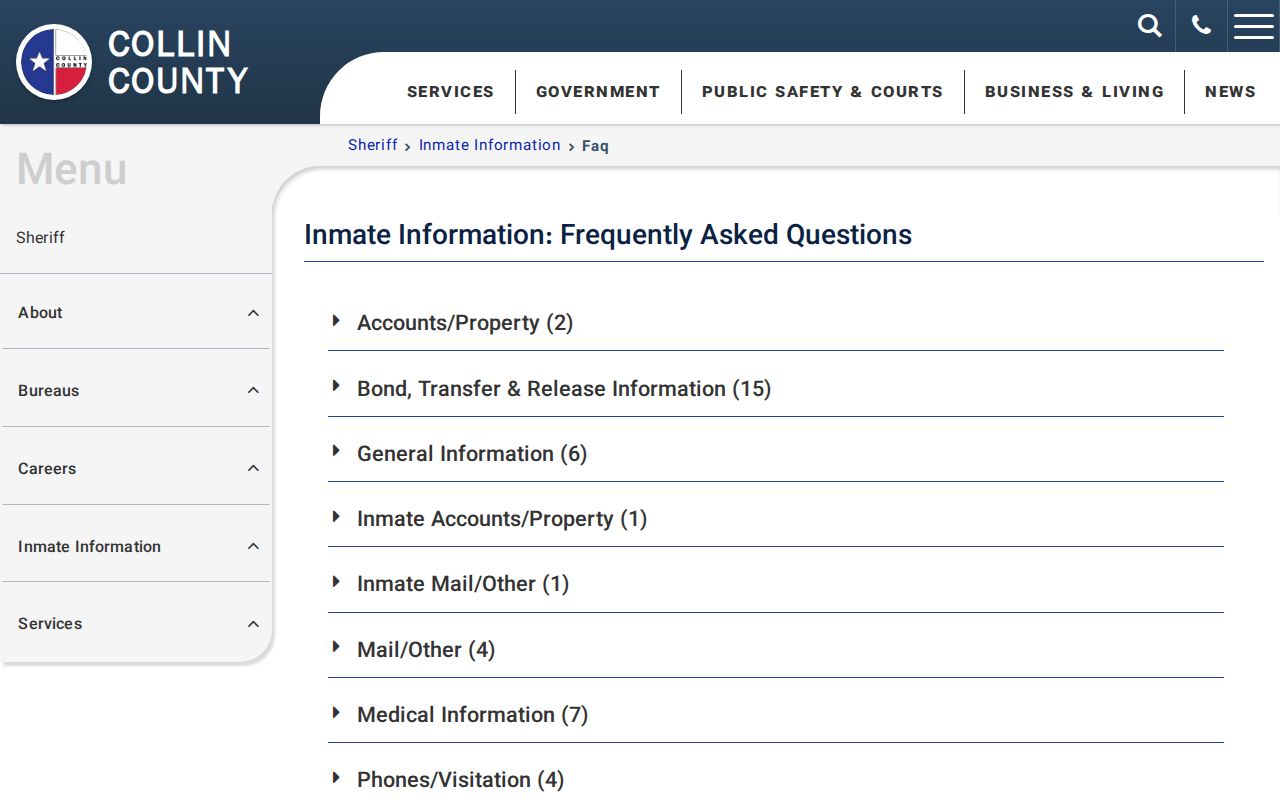
That page covers detention and bond logistics only. In Collin County, the issuing court still controls the underlying warrant and its case.
Important: Speak with an attorney and the issuing court before arranging surrender or bond; the sheriff’s office cannot decide every case’s judicial remedy.
Federal Arrest Warrants Use a Separate Court
A federal case filed in Collin County does not run through the county clerk or the sheriff's public gateway. It belongs to the Eastern District of Texas, Sherman Division. For a federal warrant check, PACER is the main docket system, and it works differently from a county warrant roster. Sealed cases may not appear at all. CourtListener and its RECAP archive can supply free documents when they exist, though coverage stays incomplete. Treat a federal notice as your cue to use this route rather than a county lookup. One caution worth keeping: a blank result on the county portal or a free mirror does not establish that no federal process exists. The official PACER portal remains the federal court-record route.
Open the federal PACER service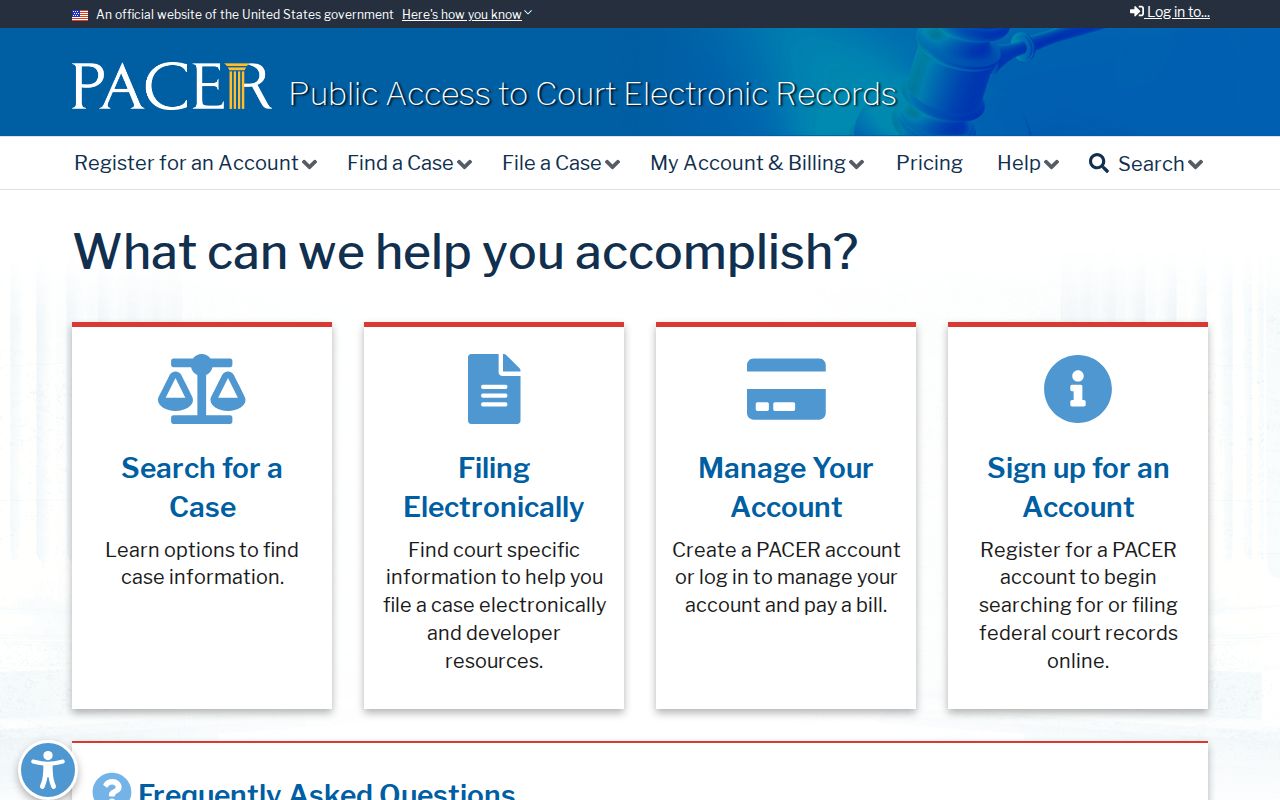
Federal and county records use different courts and case numbers.